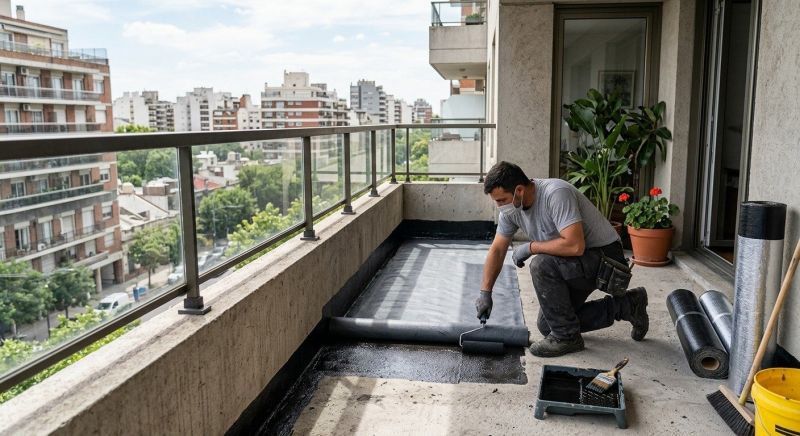
Balcony Waterproofing in Seattle, WA
Balcony waterproofing services involve applying specialized materials and techniques to create a protective barrier that prevents water from penetrating the surface. This service is essential for balconies exposed to weather elements, ensuring that water does not seep into underlying structures, which can lead to damage such as mold, rot, or structural weakening. Projects typically include waterproofing new balconies during construction, as well as restoring or upgrading existing balconies that show signs of water infiltration or surface deterioration.
Homeowners considering balcony waterproofing often want to understand the scope of the work, the types of waterproofing materials used, and how the process can extend the lifespan of the balcony. It is common to inquire about surface preparation, the durability of the waterproofing layer, and whether the project will include repairs to existing damage. Proper waterproofing can help maintain the safety, appearance, and value of the property by protecting the balcony from water-related issues over time.
Many property owners in Seattle, WA look into Balcony Waterproofing for repairs, replacements, upgrades, and appearance-related improvements.
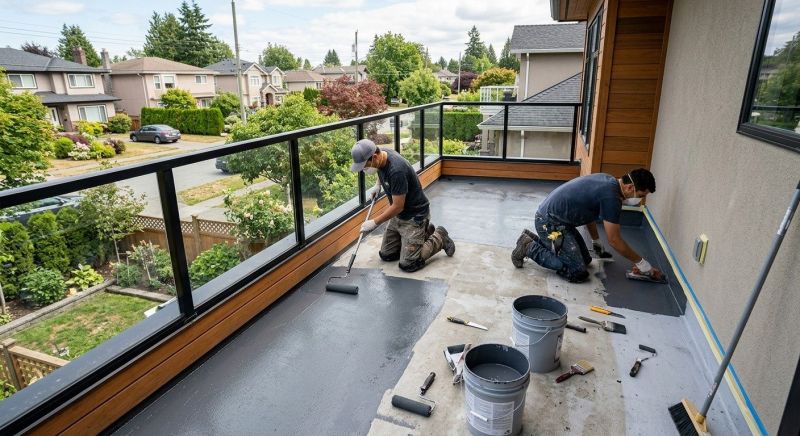
Balcony Waterproofing Solutions
Protects balcony surfaces from water damage and prolongs their lifespan.
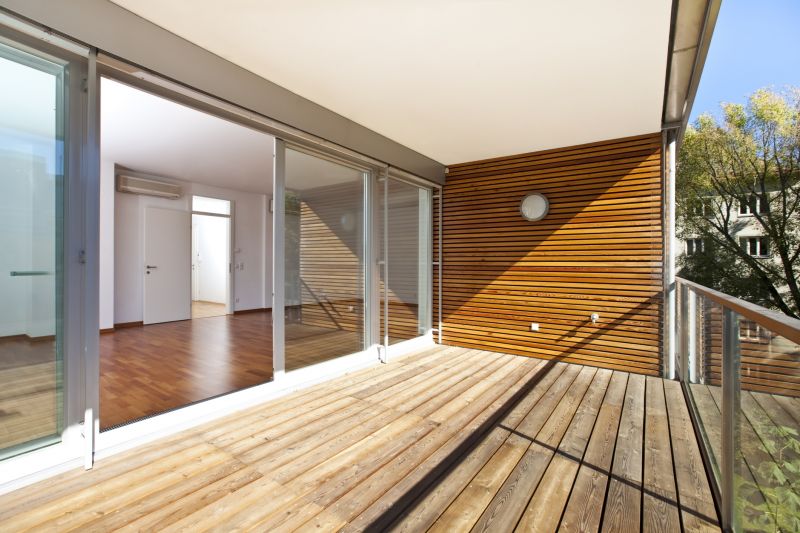
Common Waterproofing Methods
Includes membrane applications, sealants, and drainage systems tailored for balcony needs.
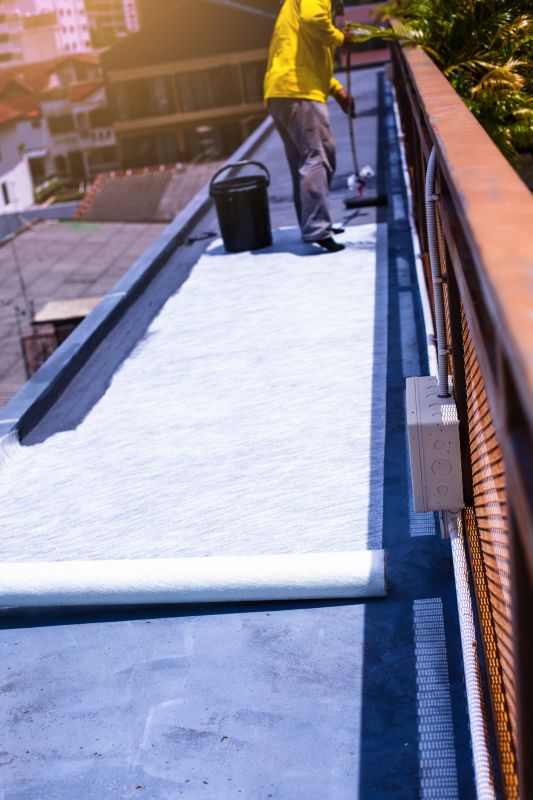
Signs Of Waterproofing Issues
Water stains, mold growth, and cracked flooring are indicators that waterproofing may need attention.
Balcony Waterproofing in Seattle, WA

Balcony waterproofing services involve applying specialized materials and techniques to create a protective barrier that prevents water from penetrating the surface. This service is essential for balconies exposed to weather elements, ensuring that water does not seep into underlying structures, which can lead to damage such as mold, rot, or structural weakening. Projects typically include waterproofing new balconies during construction, as well as restoring or upgrading existing balconies that show signs of water infiltration or surface deterioration.
Homeowners considering balcony waterproofing often want to understand the scope of the work, the types of waterproofing materials used, and how the process can extend the lifespan of the balcony. It is common to inquire about surface preparation, the durability of the waterproofing layer, and whether the project will include repairs to existing damage. Proper waterproofing can help maintain the safety, appearance, and value of the property by protecting the balcony from water-related issues over time.
Many property owners in Seattle, WA look into Balcony Waterproofing for repairs, replacements, upgrades, and appearance-related improvements.
Common Balcony Waterproofing Jobs
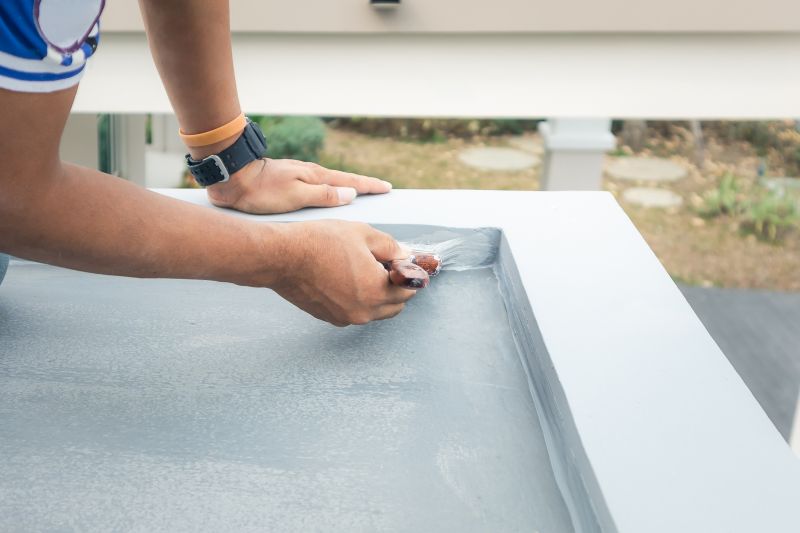
Balcony Waterproofing - protects outdoor spaces from water damage and leaks.
Balcony Sealant Application - seals surfaces to prevent moisture infiltration.
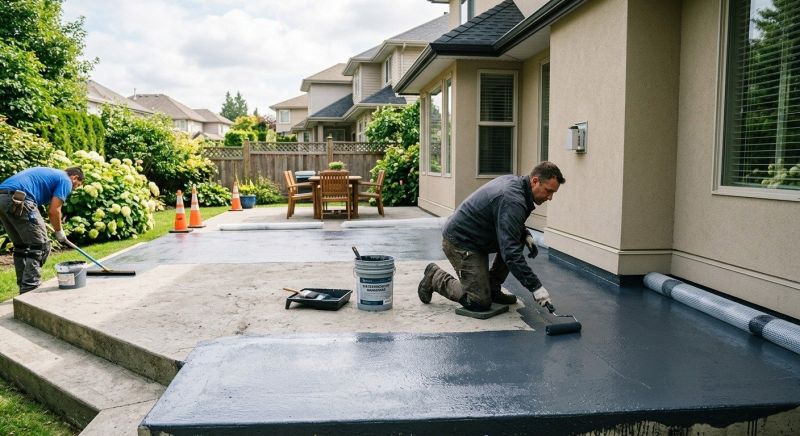
Membrane Installation - adds a durable waterproof layer to balcony surfaces.
Crack Repair - addresses existing damage to maintain waterproof integrity.
Drainage Solutions - improves water runoff to reduce standing water risks.
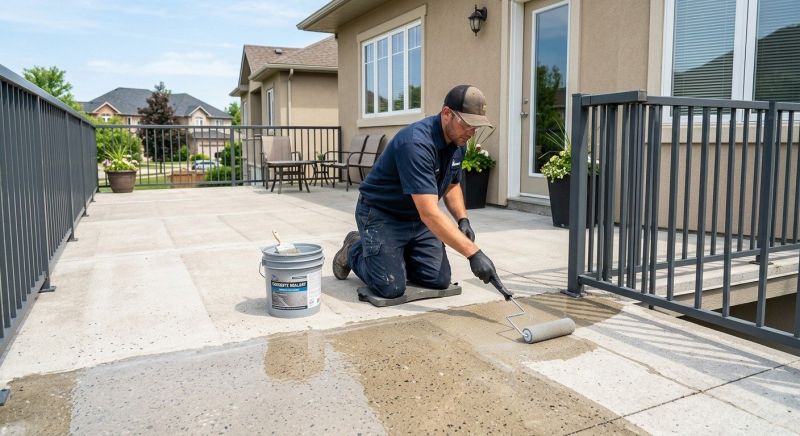
Surface Coatings - provides a protective barrier against weather elements.
Balcony Waterproofing Questions
What is balcony waterproofing? Balcony waterproofing involves applying a protective layer to prevent water penetration and damage caused by rain or spills.
Why is waterproofing important for balconies? Proper waterproofing helps avoid water leaks, structural damage, and mold growth, extending the lifespan of the balcony.
What types of waterproofing materials are used? Common materials include liquid membranes, membrane sheets, and sealants designed to suit different balcony surfaces.
When should balcony waterproofing be considered? Waterproofing is recommended during balcony renovations or when signs of leaks or deterioration are visible.
Request Balcony Waterproofing in Seattle, WA
Use the quote form on this page to share the basics of your project and request more information for the type of work you need.